


Hong Kong-listed NagaCorp has terminated a subscription agreement with an entity linked to the group’s founder, the late Dr Chen Lip Keong, to provide 50% of funding for the planned US$3.5 billion Naga 3 expansion of its NagaWorld integrated resort in Phnom Penh, Cambodia.
In a filing, NagaCorp said that it had reached an agreement with the subscriber, previously named as ChenLipKeong Fund Limited, to terminate the agreement in light of the “changing external macroeconomic environment since the entering of the Subscription Agreement in April 2019”.
Under the terms of that initial agreement, 50% of Naga 3 was to be funded by Dr Chen and 50% via external funding options, with each to contribute around US$1.76 billion. Dr Chen, whose contribution was to be settled via Settlement Shares upon project completion, had also agreed to fund any costs over and above the agreed amount.
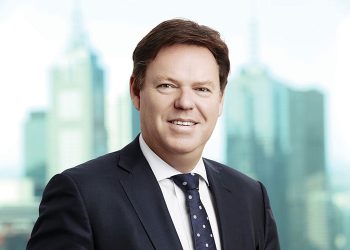
Before his passing in late 2023, Dr Chen transferred his controlling stake in NagaCorp to the family trust of which he and his five sons were directors. Three of those sons were later promoted to senior management roles within NagaCorp, with Chen Yiy Fon now serving as the company’s CEO and Executive Director.
In Monday’s filing, NagaCorp said that Chen Yiy Fon, being a director of both the company and the subscriber, has recused himself from any negotiation and decision-making process regarding the Subscription Agreement.
Termination of the agreement includes, it added, the waiving of all rights and obligations under the agreement. As such, cash advances already made by the subscriber to NagaCorp in the amount of US$316 million have been forfeited and taken to reserves, with the company now having no obligation to issue any Settlement Shares in respect of the advances.
Despite termination of this funding agreement, NagaCorp said it still intends to continue with the development of the Naga 3 project and “will evaluate the remaining development plan of Naga 3 and explore alternative sources of funding, if necessary”.
The company previously postponed the development by four years due to economic challenges posed by the COVID-19 pandemic.
RelatedPosts