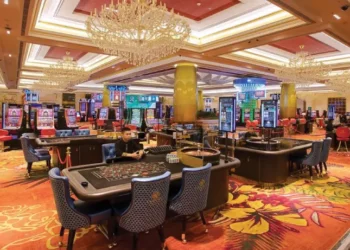


Wynn Al Marjan Island has released details of a “museum-caliber” art collection that will take center stage at the US$5.1 billion integrated resort, comprising what the company describes as masterpieces, iconic works and newly commissioned pieces by regional and international artists from across the globe.
The artworks will be exhibited throughout the UAE resort’s public spaces, guest areas and rooms, Wynn explained, creating an immersive Living Gallery experience built around one of the region’s most significant private art collections.
According to Wynn, the collection will span the prehistoric, ancient, Victorian, Old Master, natural-world and Orientalist periods, reflecting a breadth it says has never before assembled within a single hospitality destination.
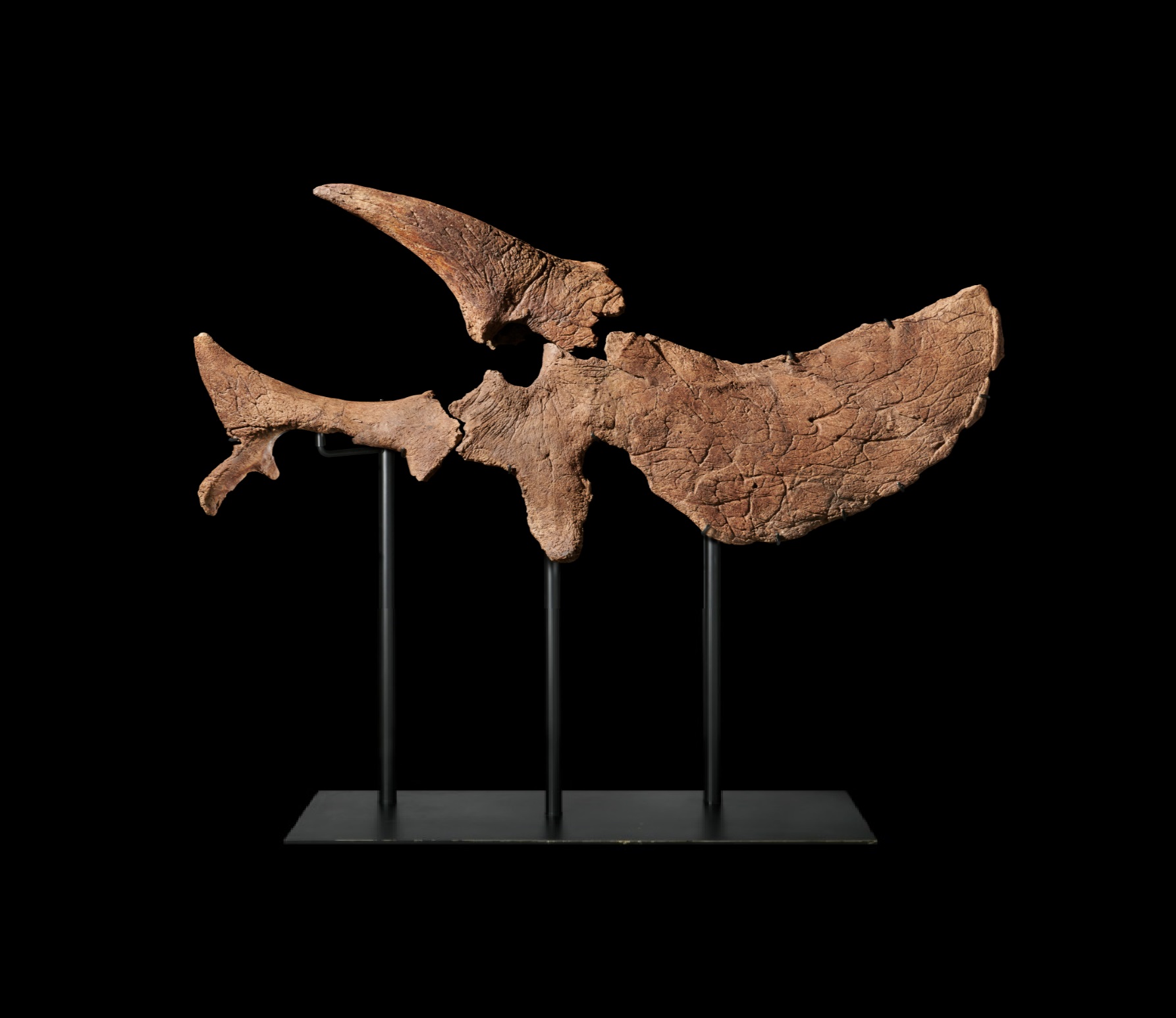
 The highlights are set to include a 66-million-year-old Triceratops skull, a specially commissioned Light Into Life sculpture by acclaimed British artist Marc Quinn and a 17th-century, 10-meter wool-and-silk tapestry with counterparts held at the Louvre and The Metropolitan Museum of Art.
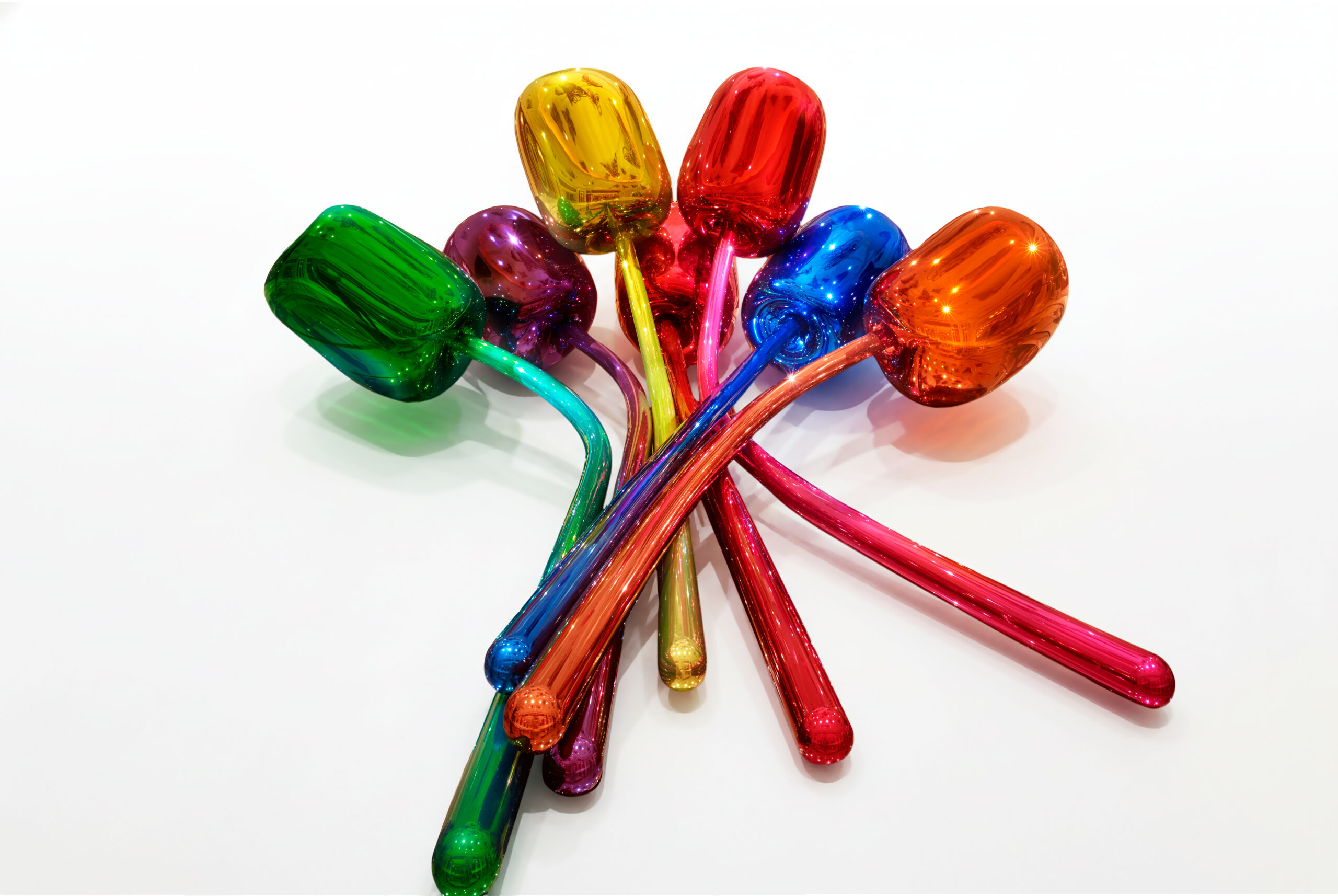
Wynn will also bring major works from its global properties to Ras Al Khaimah such as Jeff Koons’ expansive 11-meter Tulips, previously displayed at Wynn Las Vegas, and a Jaume Plensa sculpture from his Secret Garden series, most recently exhibited at Encore Boston Harbor.
Complementing these are a rare quartet of 18th-century Buccleuch vases, originally showcased at Wynn Palace in Macau, and a Victorian cut-glass console and mirror from Wynn Las Vegas, the company revealed.
 “Wynn Al Marjan Island’s approach to art goes far beyond acquisition,” said Todd-Avery Lenahan, President and Chief Creative Officer of Wynn Design & Development. “Beauty is a universal language, and by integrating art into the fabric of the resort, Wynn invites guests to discover these pieces in an informal yet engaging and meaningful way.
“Too often, art becomes forgettable when presented as formal or static. We take the opposite approach, designing moments that encourage engagement across every age and background.”
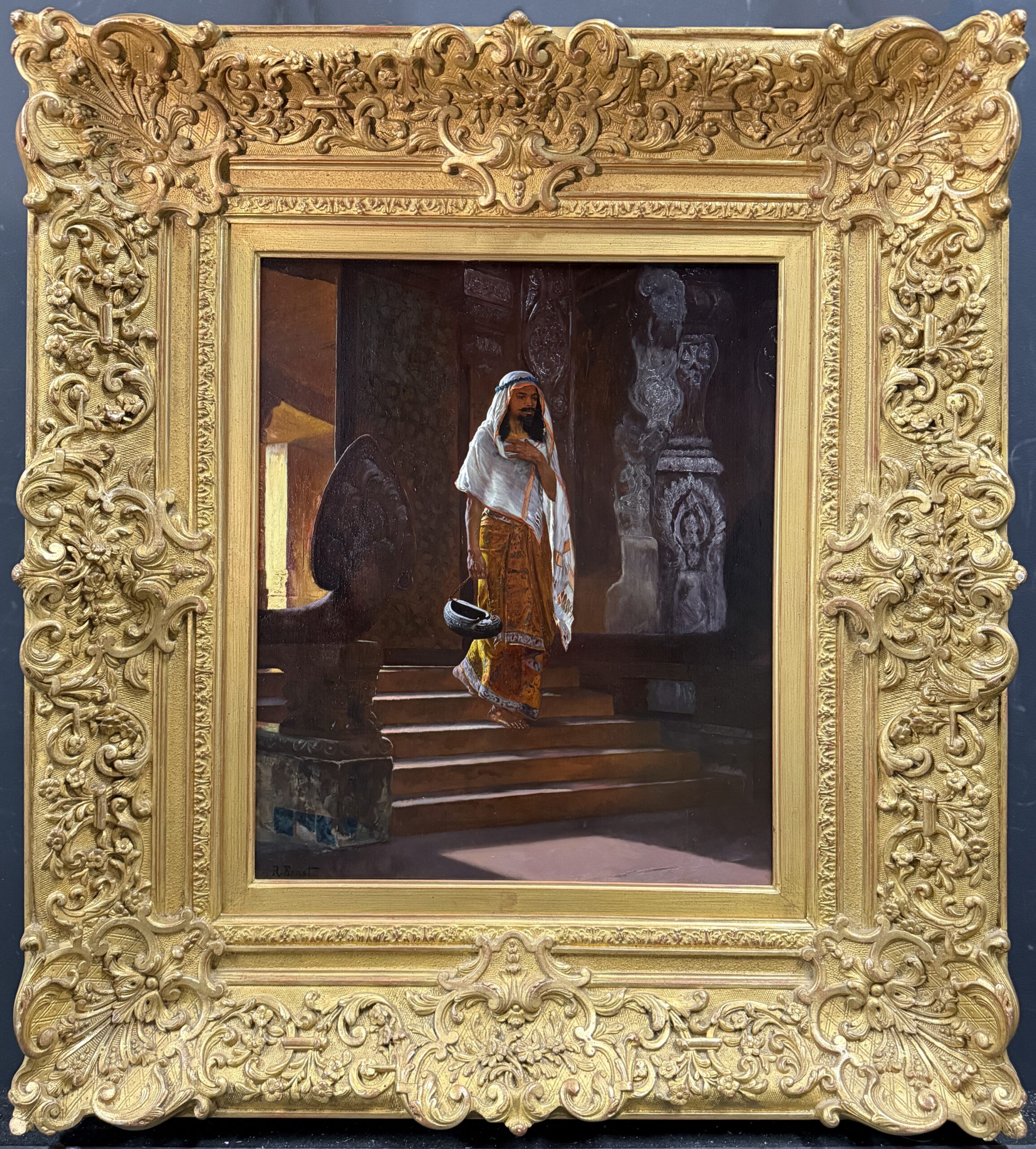
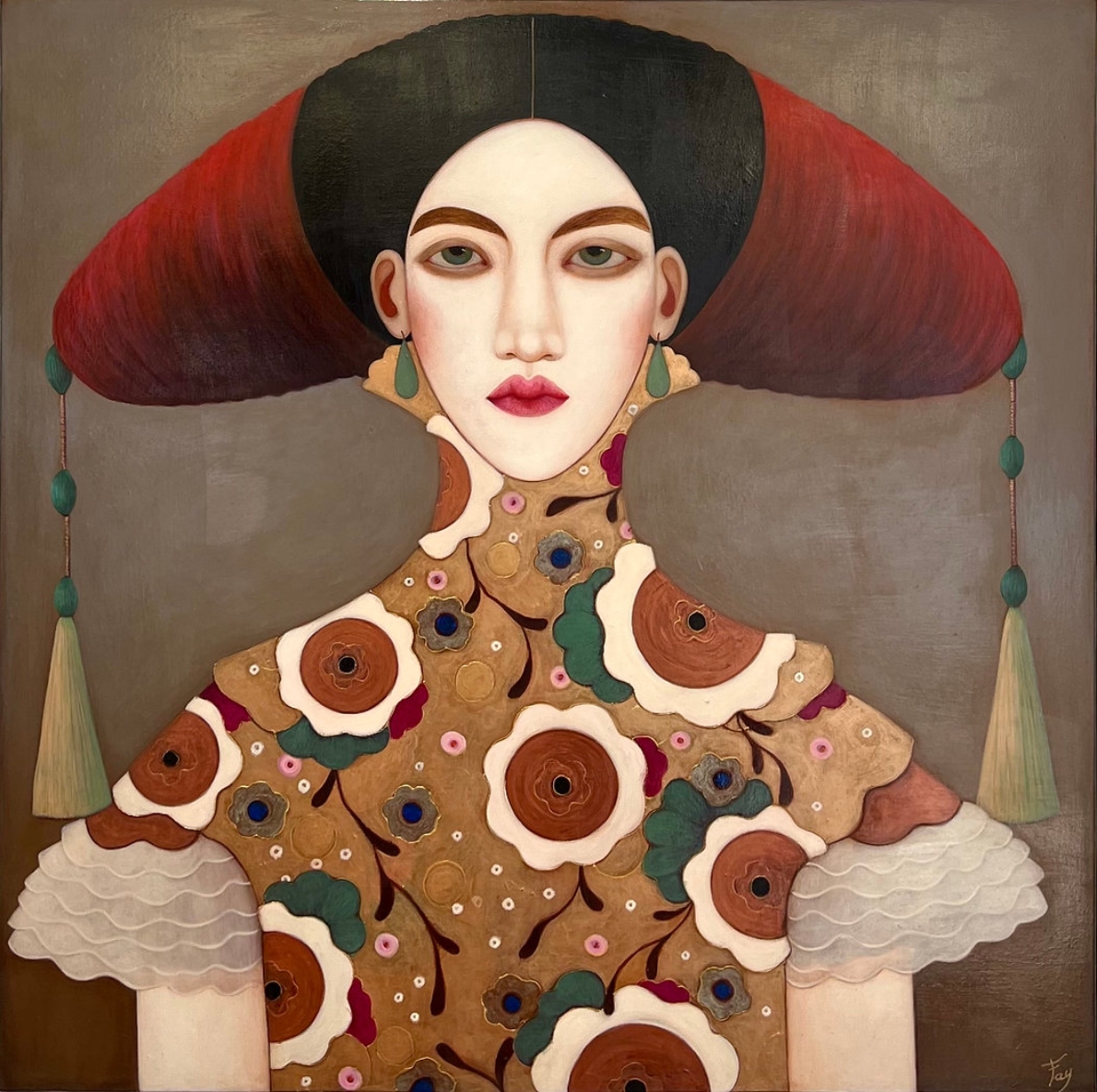
The collection will, Wynn explained, include many artworks that have spent generations in private collections and will be publicly exhibited for the first time in decades. Pieces include Caravan in the Desert by Gustave Guillaumet (1840–1887) – illustrating the approach of a caravan and camel to the Sahara Desert in Algiers – and Rudolf Ernst’s Entering the Temple(1854–1932) from a series depicting Islamic culture across North Africa, Turkey and Egypt.
 “There is an extraordinary cultural legacy in this region,” said Lenahan. “Its influence on the great Orientalist painters and explorers is profound. They were captivated by the depth of the culture, the poetry of the landscapes and the spirit of the people. This region didn’t just inspire art – it shaped it. These works deserve to be contextualized with accuracy and respect; they are not decorations; they are the foundation of a living gallery.
“We built a resort around the art, not the other way around. It is architecture in dialogue with culture, carefully curated so that every space tells a story that resonates, educates, and elevates.”
Scheduled to open in early 2027, Wynn Al Marjan Island will feature 1,217 resort rooms and 297 Enclave suites, plus two Royal Apartments, four Garden Townhomes and 10 Marina Estates.
Other amenities are to include 22 restaurants, lounges and bars, a beach club, an opulent spa and beauty destination, a skylit shopping parterre, a unique theater experience, 12 poolsm a 420-meter white-sand beach and a deep-water marina designed to welcome superyachts from around the globe.
RelatedPosts